
Best Time to Travel to Japan: Complete 2026 Guide for First-Time Visitors
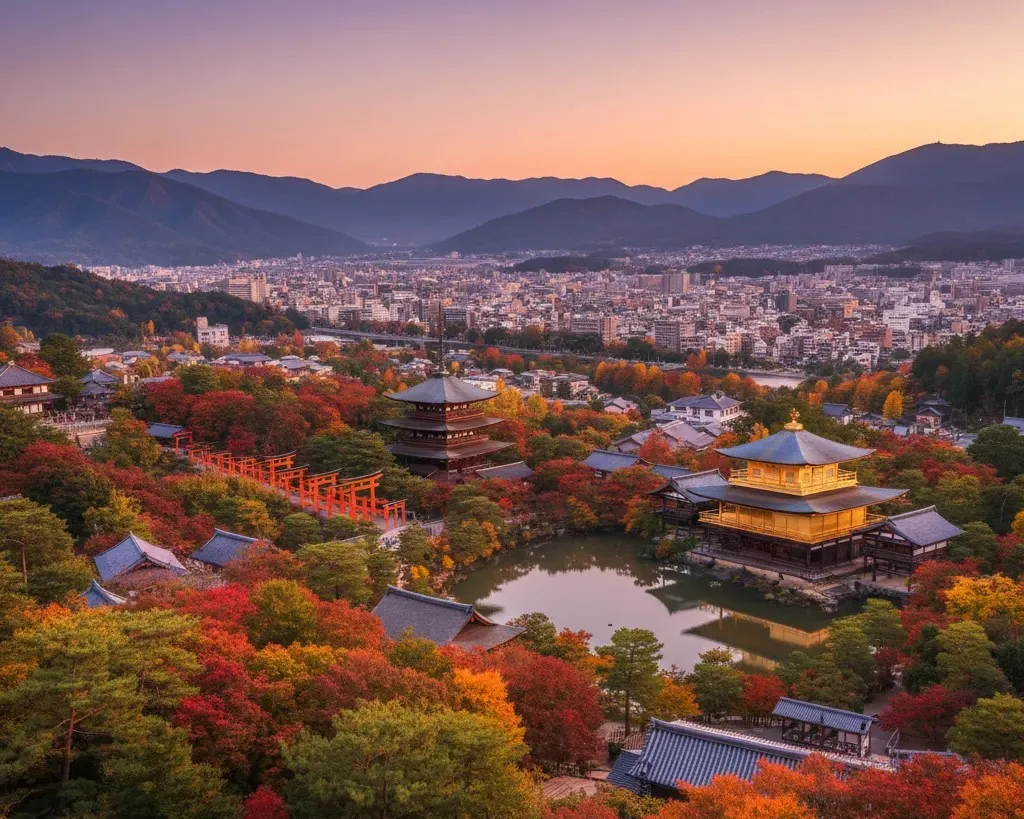
Japan presents itself as a destination of fascinating contrasts, where ancient temples coexist with futuristic skyscrapers and ancestral traditions intertwine with cutting-edge technology. This duality creates a unique and deeply enriching travel experience. Understanding when to visit, how much it costs, and what to expect can transform a good trip into an unforgettable adventure.
This comprehensive guide consolidates expert analysis to provide you with everything you need to know about traveling to Japan in 2025—from seasonal recommendations and detailed budgets to strategic tips for navigating crowds and experiencing authentic Japanese culture.
- When to Visit Japan: Complete Seasonal Analysis
- How Much Does it Cost to Travel to Japan?
- Best Cities to Travel in Japan
- Things to Know Before Traveling to Japan
- Best Travel Insurance for Japan
- How to Navigate Japan: Transportation Guide
- Where to Stay in Japan: Accommodation Guide
- Avoiding Crowds: Expert Strategies
- Traditional Festivals Worth Planning Around
- Essential Pre-Trip Checklist
- What is the Best Time to Travel to Japan: Final Recommendations
- When is Best Time to Travel to Japan: Quick Decision Matrix
- Books to Read Before Traveling to Japan
- Your Japan Adventure Awaits
When to Visit Japan: Complete Seasonal Analysis
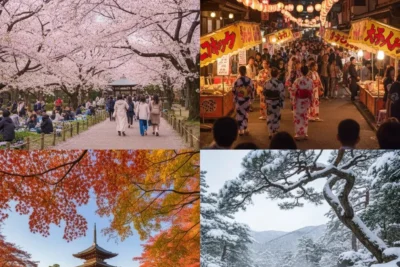
Choosing the best time to travel to Japan fundamentally shapes your entire experience. Each season offers distinct advantages, transforming landscapes, activities, and even your budget. Here's what you need to know about each period.
Spring (March-May): Cherry Blossom Season
Why it's special: Many travelers consider spring the best month to travel to Japan. The country transforms into a pink wonderland as cherry blossoms (sakura) bloom across parks, temples, and gardens, creating unforgettable scenes.
Climate: Mild and pleasant temperatures (10-20°C / 50-68°F), ideal for walking tours and outdoor celebrations.
Considerations:
- Highest tourist influx of the year
- Significantly elevated accommodation and flight prices
- Book 4-6 months in advance minimum
- Peak bloom typically occurs late March to early April
Best for: Photography enthusiasts, cultural immersion, hanami (cherry blossom viewing) parties
Summer (June-August): Festival Energy
Why it's special: Summer in Japan means vibrant traditional festivals (matsuri) and spectacular fireworks displays that illuminate the nights. It's an opportunity to experience Japanese culture at its most colorful and energetic.
Climate: Hot and humid (25-35°C / 77-95°F), with a rainy season (tsuyu) in June-early July.
Considerations:
- Intense heat and high humidity can be uncomfortable
- August is extremely crowded due to Obon holidays
- Higher prices during peak summer months
- Air conditioning is ubiquitous indoors
Best for: Festival lovers, experiencing matsuri culture, summer night markets
Fall (September-November): Autumn Foliage
Why it's special: For many, autumn rivals spring as the best time of year to travel to Japan. The country dresses in warm colors (red, orange, yellow) during momiji (autumn foliage season), creating spectacular natural displays.
Climate: Cool, stable, and comfortable (15-25°C / 59-77°F), perfect for exploration.
Considerations:
- Fewer tourists than cherry blossom season
- More relaxed, tranquil experience
- Good hotel availability and moderate prices
- Peak foliage typically mid-November
Best for: Nature lovers, hiking, peaceful temple visits, photography
Winter (December-February): Snow & Serenity
Why it's special: Winter offers a completely different and rewarding face of Japan. It's ideal for snow lovers, with opportunities to ski in destinations like Hokkaido and the Japanese Alps. Enjoying an onsen (thermal bath) surrounded by snowy landscapes is a uniquely Japanese experience.
Climate: Cold (0-10°C / 32-50°F), with significant snowfall in northern regions.
Considerations:
- Lowest prices on flights and accommodation
- Minimal crowds outside New Year holidays
- Excellent ski conditions in Hokkaido and Nagano
- Some mountain areas may be inaccessible
Best for: Budget travelers, ski enthusiasts, hot spring lovers, quiet exploration
Best Months to Travel to Japan: Quick Reference
Optimal periods: Late March to May (spring), October to November (fall)
Budget-friendly periods: January to early March, June
Avoid if possible: Golden Week (late April-early May), August (extreme heat, massive crowds, inflated prices)
For those planning specific itineraries, timing your trip around seasonal highlights can dramatically enhance your experience. A 10-day spring itinerary differs vastly from a winter exploration focused on snow sports and hot springs.
How Much Does it Cost to Travel to Japan?
Understanding the cost to travel to Japan is fundamental for realistic planning. Japan's reputation as an expensive destination is partially deserved, but strategic choices can make it surprisingly affordable.
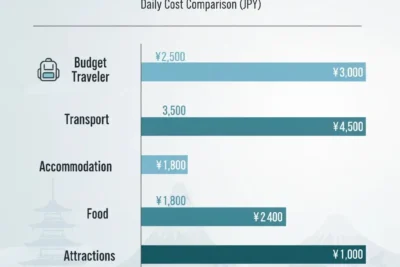
Daily Budget Breakdown (Per Person, Excluding Flights)
| Expense Category | Budget Traveler | Mid-Range Traveler |
|---|---|---|
| Transportation | ¥2,500 ($17) | ¥3,000 ($20) |
| Accommodation | ¥3,500 ($24) | ¥4,500 ($30) |
| Food | ¥1,800 ($12) | ¥2,400 ($16) |
| Attractions | ¥800 ($5) | ¥1,200 ($8) |
| Other | ¥500 ($3) | ¥1,000 ($7) |
| TOTAL PER DAY | ¥9,100 ($62) | ¥12,100 ($82) |
How Much is it to Travel to Japan: Complete Trip Estimates
7-day trip:
- Budget: $434-560 (excluding flights)
- Mid-range: $574-700 (excluding flights)
- Flights from US: $800-1,500
10-day trip:
- Budget: $620-800
- Mid-range: $820-1,000
14-day trip:
- Budget: $868-1,120
- Mid-range: $1,148-1,400
Average Cost to Travel to Japan: Breaking Down Major Expenses
International flights: $800-2,000 (varies by season and origin) Japan Rail Pass:
- 7 days: ¥50,000 ($340)
- 14 days: ¥80,000 ($540)
- 21 days: ¥100,000 ($680)
Accommodation per night:
- Hostel: ¥2,500-4,000 ($17-27)
- Business hotel: ¥5,000-8,000 ($34-54)
- Mid-range hotel: ¥8,000-15,000 ($54-102)
- Ryokan (traditional inn): ¥15,000-30,000 ($102-204)
Budget Travel Tips: Eating Well for Less
Japan offers exceptional value for food-conscious travelers:
Convenience stores (Konbini): 7-Eleven, FamilyMart, and Lawson offer surprisingly high-quality prepared meals for ¥400-700 ($3-5).
Fast food chains:
- Ramen: ¥500-800 ($3-5)
- Gyudon (beef bowl): ¥350-500 ($2-3)
- Udon/soba: ¥400-600 ($3-4)
Family restaurants (Famiresu): Affordable chain restaurants with set meals for ¥700-1,200 ($5-8).
Bento boxes: Pre-made lunch boxes from supermarkets at discounted prices after 8 PM.
Food price references:
- Bottled water (1.5L): ¥120 ($0.80)
- Coffee: ¥300 ($2)
- Sushi tray: ¥500 ($3.40)
- Beer (330ml): ¥250 ($1.70)
- Big Mac: ¥700 ($4.75)
Understanding these costs helps when you're ready to dive into detailed trip planning and budgeting for your specific itinerary.
Best Cities to Travel in Japan
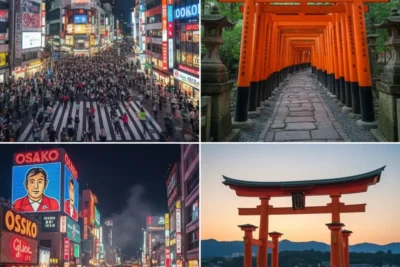
Japan's diverse cities offer vastly different experiences. While Tokyo and Kyoto dominate most itineraries, understanding each city's unique character helps you prioritize based on your interests.
Tokyo: Modern Metropolis
Why visit: Cutting-edge technology, world-class dining, shopping, nightlife, and pop culture epicenter.
Must-see areas: Shibuya, Shinjuku, Asakusa (Senso-ji Temple), Harajuku, Akihabara
Best for: First-time visitors, urban explorers, food enthusiasts, technology lovers
Time needed: 4-6 days minimum
Kyoto: Cultural Heart
Why visit: Ancient temples, traditional geisha districts, zen gardens, and preserved historical architecture.
Must-see: Fushimi Inari Shrine, Arashiyama Bamboo Grove, Kiyomizu-dera, Gion district
Best for: Cultural immersion, temple hopping, traditional experiences, photography
Time needed: 3-5 days
Osaka: Food Capital
Why visit: Known as "Japan's kitchen," offering incredible street food, vibrant nightlife, and more relaxed atmosphere than Tokyo.
Must-see: Dotonbori, Osaka Castle, Kuromon Market, Universal Studios Japan
Best for: Foodies, budget travelers, those seeking authentic local culture
Time needed: 2-3 days
Hiroshima: Historical Significance
Why visit: Peace Memorial Park, proximity to Miyajima Island with its iconic floating torii gate.
Must-see: Peace Memorial Museum, Atomic Bomb Dome, Miyajima Island
Best for: History enthusiasts, day trips from Osaka/Kyoto
Time needed: 1-2 days
Beyond the Golden Route
While the Tokyo-Kyoto-Osaka circuit is fantastic, Japan offers much more. For those ready to explore further destinations, consider:
Takayama: Beautifully preserved Edo-period streets in the Japanese Alps Kanazawa: Traditional crafts, stunning gardens, geisha districts Nara: Ancient capital with friendly deer roaming freely Hakone: Hot springs with Mount Fuji views Hokkaido: Wild nature, skiing, and distinct regional cuisine
Things to Know Before Traveling to Japan
First-time visitors often feel overwhelmed by Japan's cultural differences. Understanding these essential aspects transforms confusion into confidence.
What to Know When Traveling to Japan: Cultural Essentials
Language barrier: English proficiency is limited outside major tourist areas. Download Google Translate and learn basic phrases.
Cash is king: Many establishments still don't accept cards. Carry ¥20,000-30,000 ($135-200) in cash at all times. 7-Eleven ATMs accept international cards.
Shoes off indoors: Remove shoes when entering homes, many restaurants, temples, and traditional accommodations. Look for a genkan (entrance area) or shoe racks.
Tipping is not practiced: Never tip—it can be considered insulting. Excellent service is standard.
Quiet public spaces: Avoid phone calls on trains. Speak quietly. Eating while walking is generally frowned upon.
Trash management: Public trash cans are rare. Carry a small bag for your garbage.
Bathing etiquette: Wash thoroughly before entering onsen or public baths. Tattoos may be prohibited at some facilities.
Traveling to Japan for the First Time: Essential Logistics
Visa requirements: Citizens of 68 countries can enter visa-free for tourism (up to 90 days). Check current requirements for your nationality when planning your trip.
Best airports: Narita and Haneda (Tokyo), Kansai (Osaka), Chubu (Nagoya)
Airport transfers:
- Narita Express: ¥3,070 ($21) to Tokyo
- Limousine bus: ¥3,200 ($22)
- Kansai to Osaka: ¥1,210 ($8)
Connectivity: Purchase an eSIM before departure (Holafly, Airalo) or rent a pocket WiFi at the airport. Data packages typically cost €30-45 ($32-48) for 10-15 days.
Power: Japan uses 100V with Type A/B plugs. Bring an adapter if needed.
Emergency numbers:
- Police: 110
- Ambulance/Fire: 119
- Tourist hotline: 050-3816-2787 (English support)
Stuff to Know Before Traveling to Japan: Practical Wisdom
Navigation apps: Google Maps works perfectly. Download offline maps for backup.
IC Cards: Purchase a Suica or Pasmo card (¥2,000 /$14 minimum) for seamless train, bus, and even vending machine payments.
Station bathrooms: Always clean, well-equipped, and free. Use them frequently.
Coin lockers: Available at major stations (¥300-700 / $2-5 per day) for luggage storage.
English menus: Major restaurants have them. Look for picture menus or plastic food displays.
Seasonal clothing:
- Spring/Fall: Layers (jacket, light sweater)
- Summer: Light, breathable clothes, umbrella
- Winter: Heavy coat, especially for northern regions
Best Travel Insurance for Japan
While Japan is exceptionally safe, travel insurance remains crucial for medical emergencies and trip disruptions.
Do I Need Travel Insurance for Japan?
Yes, strongly recommended. Japan's healthcare system is excellent but expensive for non-residents. A simple doctor visit can cost ¥10,000-30,000 ($68-204). Emergency hospitalization can reach ¥100,000-500,000 ($680-3,400) or more.
Best Travel Insurance for Japan Trip: What to Cover
Essential coverage should include:
Medical coverage: Minimum $100,000 Emergency evacuation: $300,000+ Trip cancellation: Full trip cost Lost luggage: $2,000-3,000 Adventure activities: If skiing or hiking
Recommended Providers
World Nomads: Excellent for adventure travel, covers skiing and hiking SafetyWing: Affordable for long-term travelers and digital nomads Allianz Global Assistance: Comprehensive coverage with strong reputation IMG Global: Good balance of coverage and price
Cost range: $40-150 for 10-day coverage, depending on age and coverage level.
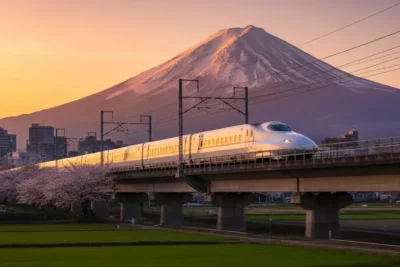
Japan's transportation system is world-class, efficient, and initially overwhelming. Understanding your options is key to smooth travels.
Japan Rail Pass: Is It Worth It?
The JR Pass allows unlimited travel on JR trains, including most Shinkansen (bullet trains).
Costs:
- 7 days: ¥50,000 ($340)
- 14 days: ¥80,000 ($540)
- 21 days: ¥100,000 ($680)
Worth it if: You're traveling between multiple cities. Example: Tokyo to Kyoto round trip (¥26,000) plus Kyoto to Osaka and back already justifies a 7-day pass.
Not worth it if: Staying primarily in one city or traveling to/from Narita Airport only.
Important: Nozomi and Mizuho Shinkansen are NOT covered. Use Hikari or Kodama trains instead.
Budget Alternative: Japan Bus Pass
For those wondering how much would it cost to travel to Japan on a tight budget, buses offer significant savings.
Highway bus pass:
- 3 days: ¥10,200 ($69)
- 5 days: ¥12,800 ($87)
Trade-offs: Much slower but can save $200-400 compared to JR Pass. Overnight buses save on accommodation.
Urban Transportation
Metro/Subway: Tokyo, Osaka, Kyoto have extensive networks. Single rides ¥170-320 ($1-2).
Day passes: Available in most cities (¥600-900 / $4-6) for unlimited travel. Calculate if worthwhile based on planned trips.
Taxis: Expensive. Base fare ¥500-750 ($3-5), but costs add up quickly. Use only when necessary.
Strategic Transportation Tips
Establish a base city: Thanks to Japan's efficient rail system, you can base yourself in one city and make day trips. Osaka is excellent for exploring Kansai region (Kyoto, Nara, Kobe) without changing hotels constantly. This strategy pairs perfectly with detailed itinerary planning.
Example 15-day distribution:
- Tokyo: 6 nights
- Takayama: 1 night
- Kanazawa: 1 night
- Kyoto: 4 nights
- Osaka: 2 nights
Where to Stay in Japan: Accommodation Guide

Japan offers accommodation for every budget and preference, from centuries-old ryokan to ultra-modern capsule hotels.
Accommodation Types Explained
Ryokan (Traditional Inns)
Authentic Japanese experience with tatami floors, futon beds, kaiseki dinners, and often onsen access.
Cost: ¥15,000-30,000 ($102-204) per person per night including meals Recommendation: Stay at least one night for cultural immersion Best areas: Hakone, Takayama, Kinosaki Onsen
Hotels (Western-Style)
Generally excellent quality but small rooms designed for efficiency.
Cost: ¥5,000-15,000 ($34-102) per night Tip: Always book non-smoking rooms—smoking rooms retain strong odors Chains: APA Hotels, Toyoko Inn, Comfort Hotel
Capsule Hotels
Iconic Japanese accommodation with individual pod-style sleeping spaces.
Cost: ¥2,500-4,500 ($17-30) per night Features: Charging stations, shared facilities, often excellent locations Best for: Solo travelers, budget-conscious visitors
Hostels
Japanese hostels are remarkably clean and well-organized.
Cost: ¥2,500-4,000 ($17-27) per night Features: Shared kitchens, common areas, social atmosphere Popular: K's House chain, Khaosan hostels
Apartments (Airbnb/Vacation Rentals)
Ideal for longer stays or groups.
Cost: ¥5,000-10,000 ($34-68) per night for 2-4 people Benefits: Space, privacy, kitchen facilities Best for: Families, extended stays
Booking Strategies
Book early: Especially for spring (4-6 months advance) and fall (3-4 months).
Location matters: Stay near JR or metro stations to simplify daily transportation.
Free amenities: Most hotels provide toiletries, toothbrush, pajamas, and slippers—pack light.
Luggage forwarding: Use takkyubin service (¥2,000-3,000 / $14-20) to send luggage between hotels, traveling with only a day bag.
Avoiding Crowds: Expert Strategies
Over-tourism is reality at Japan's most famous sites, but strategic timing allows you to enjoy them peacefully.
When Crowds Peak
Worst times:
- Golden Week (late April-early May)
- Obon (mid-August)
- New Year holidays (Dec 29-Jan 3)
- Cherry blossom peak (late March-early April)
Best times for fewer crowds:
- January-February
- June (rainy season)
- September (post-summer)
Timing Your Visits
General principle: Visit popular sites at 6-7 AM (opening time) or 6-7 PM (closing time). Midday (11 AM-3 PM) is worst.
Specific strategies:
Fushimi Inari (Kyoto): Most tourists congregate at the bottom. Continue climbing—the higher you go, the fewer people. The summit offers solitude and stunning views.
Senso-ji Temple (Tokyo): Visit at night (6-7 PM). Beautifully illuminated with serene atmosphere and minimal crowds.
Arashiyama Bamboo Grove (Kyoto): Arrive at 7 AM or explore nearby temples like Seiryo-ji, which are peaceful and equally beautiful.
Nishiki Market (Kyoto): Arrive when it opens (9:30 AM) to browse and taste comfortably before shoulder-to-shoulder crowds arrive.
Rush hour avoidance: Avoid trains and metro during commuter peaks (7-9 AM, 5-7 PM) when locals travel to work.
Explore side streets: One or two blocks away from main tourist routes, you'll often find surprising tranquility and authentic local scenes.
Traditional Festivals Worth Planning Around
Aligning your trip with Japanese festivals creates unforgettable cultural experiences.
Major Annual Festivals
Hanami (Late March-Early April): Cherry blossom viewing parties in parks nationwide. Yoyogi Park (Tokyo) and Maruyama Park (Kyoto) are popular spots.
Gion Matsuri (July, Kyoto): One of Japan's most famous festivals, featuring spectacular float processions through Kyoto's streets.
Tanabata (July 7): Star Festival where people write wishes on paper strips and hang them on bamboo branches.
Obon (Mid-August): Buddhist festival honoring ancestral spirits with traditional dances (bon odori) and lanterns.
Shogatsu (New Year, Jan 1-3): Japan's most important holiday. Many businesses close, but temple visits (hatsumode) and traditional foods create unique atmosphere.
Essential Pre-Trip Checklist
3-4 Months Before
- [ ] Book international flights
- [ ] Research destinations and create rough itinerary
- [ ] Apply for visa if required (check current requirements)
- [ ] Reserve accommodation for peak season travel
- [ ] Purchase travel insurance
1-2 Months Before
- [ ] Book domestic transportation (JR Pass if using)
- [ ] Reserve special experiences (sumo matches, restaurant reservations)
- [ ] Order eSIM or plan pocket WiFi rental
- [ ] Book any accommodation not yet reserved
- [ ] Finalize detailed itinerary
2 Weeks Before
- [ ] Notify bank of travel dates
- [ ] Download offline maps
- [ ] Install essential apps (Google Translate, Hyperdia, Google Maps)
- [ ] Check passport validity (6+ months recommended)
- [ ] Pack appropriate clothing for season
- [ ] Exchange some currency (¥20,000-30,000 for arrival)
At Airport/Upon Arrival
- [ ] Activate eSIM or collect pocket WiFi
- [ ] Purchase IC card (Suica/Pasmo)
- [ ] Exchange JR Pass voucher if using
- [ ] Locate airport transfer options
What is the Best Time to Travel to Japan: Final Recommendations
Your ideal travel time depends on priorities:
Choose Spring (March-May) if: You want iconic cherry blossoms and don't mind crowds or higher prices. Perfect for first-time visitors seeking classic Japan experiences.
Choose Summer (June-August) if: You want to experience traditional festivals and vibrant cultural events. Be prepared for heat and humidity.
Choose Fall (September-November) if: You want beautiful autumn foliage with fewer crowds than spring. Excellent balance of weather, scenery, and manageable tourist numbers.
Choose Winter (December-February) if: You prioritize budget, minimal crowds, skiing, or hot springs. Best value period with most authentic local experiences.
Avoid: Golden Week (late April-early May) and mid-August unless you specifically want festival experiences and don't mind extreme crowds.
When is Best Time to Travel to Japan: Quick Decision Matrix
| Priority | Best Season | Runner-Up |
|---|---|---|
| Budget | Winter | Early spring/Late fall |
| Weather | Spring/Fall | Early winter |
| Fewer crowds | Winter | June/September |
| Photography | Spring (sakura) | Fall (momiji) |
| Festivals | Summer | New Year |
| Skiing | January-February | December/March |
| First-time visit | Spring/Fall | Any season |
Books to Read Before Traveling to Japan
Deepen your understanding with recommended reading:
Cultural Understanding:
- "The Japanese Mind" by Roger Davies
- "Lonely Planet Japan" (latest edition)
Travel Guides:
- "Japan by Rail" by Ramsey Zarifeh
- "Tokyo Stories" by Tim Anderson
Fiction for Context:
- "Norwegian Wood" by Haruki Murakami
- "Snow Country" by Yasunari Kawabata
Your Japan Adventure Awaits
Planning a trip to Japan requires careful consideration of timing, budget, and logistics, but the rewards are immeasurable. Whether you're drawn to cherry blossoms in spring, autumn's vibrant foliage, summer festivals, or winter's serene snow-covered temples, Japan offers transformative experiences year-round.
The key to a successful journey lies in:
- Booking early: Especially for spring and fall travel
- Budgeting realistically: Using our cost breakdowns as guides
- Strategic planning: Establishing base cities and timing visits to popular sites wisely
- Cultural preparation: Understanding essential etiquette and customs
- Flexibility: Being open to discovering Japan beyond the Golden Route
Remember, the "best" time to travel to Japan ultimately depends on your personal priorities. A well-planned winter trip can be just as magical as peak cherry blossom season—and significantly more affordable and peaceful.
Ready to start planning your Japanese adventure? Explore our detailed trip planning resources to turn your dream itinerary into reality. From visa requirements to day-by-day itineraries, we'll guide you through every step of creating an unforgettable journey through one of the world's most fascinating countries.
Average cost to travel to Japan for 10 days: $1,420-2,300 (including flights)
Recommended minimum stay: 10-14 days to experience multiple regions
Best value season: January-February (up to 40% savings on accommodation)
Most popular season: Late March-April (cherry blossom season)